Featured

Books in Three Corners of Los Angeles

“Throughout my early twenties, books in Los Angeles have served as a way to anchor me to an unfamiliar place.  One aspect of my home which I missed most involved my constant obsession with books. However, something makes LA books different.”

Los Angeles has always served as a literary touchstone to the world.  Not only does the city have an enormous amount of bookstores but a thriving culture which surrounds them.  Unlike many places most of the bookstores which propagate the city have the “independent” label.  Independent most importantly states how many of the bookstores can stay true to their roots. 

However, they also divide the Los Angeles literary community into separate communities.  Many people have written about the bookstores but few (if any) have told the story from the people who visit them daily. 

“I feel like in the city center people read the same 10 trending books.  In other places, people have a more diverse taste,” said Liz Israelian, a Silverlake resident and avid reader about local literary tastes.  “In general, people do not make time for slow entertainment anymore,” Israelian added.  The big name Barnes and Noble of the city follow a strict set of rules which promote selling the most copies nationwide instead of books which interest the local community. 

When investigating the different ways people interact with books at the Last Bookstore, Skylight Books, and Small World Books one can see a clear trend as to what people read where. The three books selected come from “Staff Picks” and represent an interesting cross section of Los Angeles literature.

Last Bookstore Staff Pick

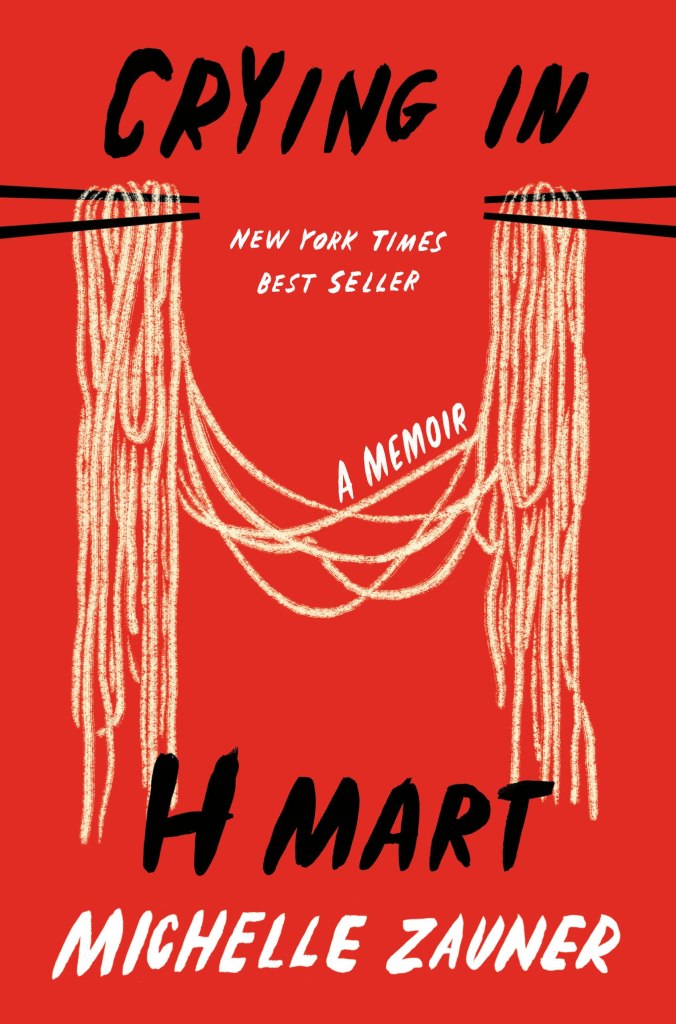
Areas close to the last bookstore such as KoreaTown play host to some of the largest Korean communities in the country. Kai Xie, a local resident of Los Angeles who frequents a local ‘H Mart’ agreed with the sentiment of the store feeling like a community: “Every time I go into H Mart I feel a certain comfort.  Korean culture feels welcoming to me even as an outsider.”  Although Xie has not finished the book he said plans to in the near future.
Skylight Staff Pick
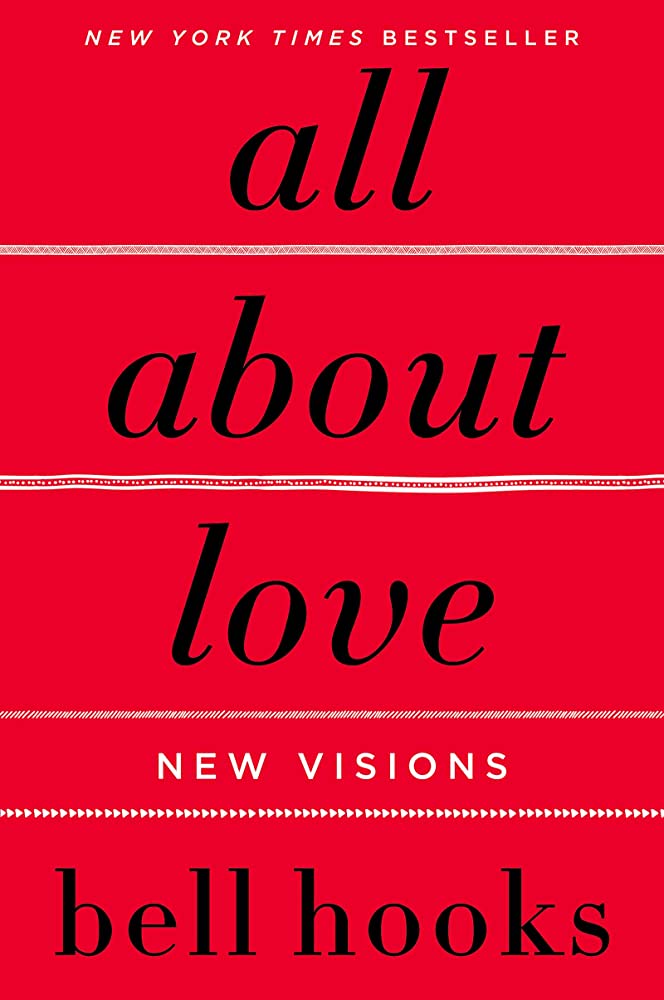
Although the book came out in 2000, its lessons about the way people should lovingly embrace others come into full relief now more than ever. Interestingly, Skylight dedicates the whole back section of the store to literary and social criticism.  “Anything by Bell Hooks is going to be great.  However, I prefer her book A Will to Change,” said Israelian.  By far Hooks has exceeded in capturing not only the attention of those at skylight but those around the country who have read her posthumous writings in a new light. 

SWB Staff Pick

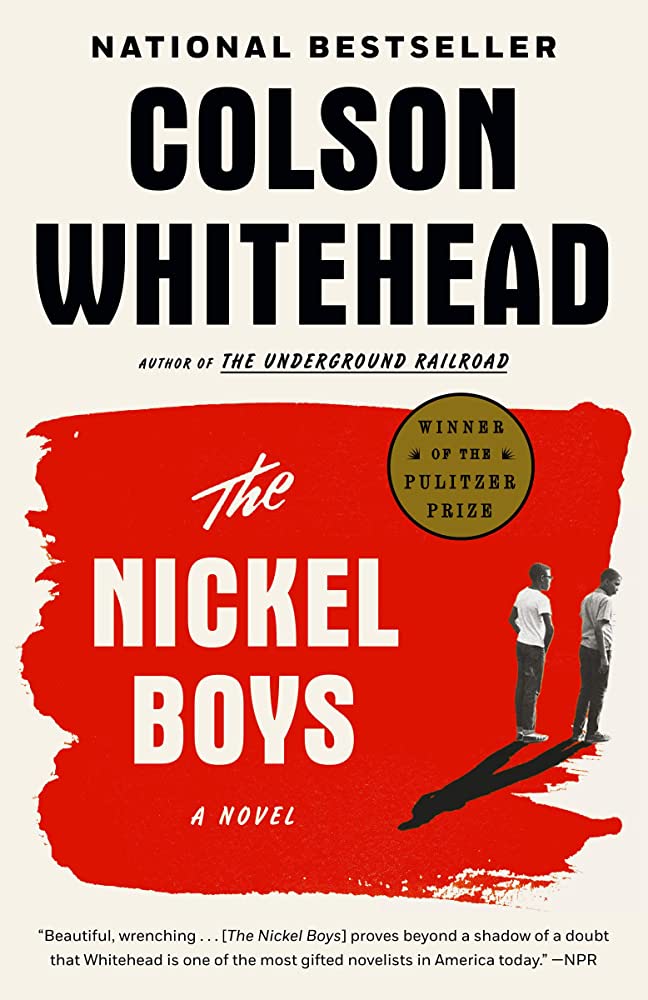
The Nickel Boys explores the racist and abusive behavior of Florida boarding schools in the 1960s.  The book’s titular Nickel Academy serves as the backdrop as the main character experiences myriad sexual and physical abuse-  all because he got caught up in a bad situation.  Like many of the author’s previous works, Nickel Boys explores times in American history where the black experience has become arduous and difficult beyond recognition. 
More than any other spot in the city, the bookstores of Los Angeles have served as a cultural hub for the writers.  Stories bookstore, for example, has a patio where both music and comedy shows happen.  People gather on the patio of the store (a small gated area in the back) then migrate inside for $5 beer and cheap coffee.  Eli Serepca, a local jazz musician often hangs there.

He does so because of the wide variety of musical genres he discovered simply by hanging around the patio: “I love the performances every week.  I’ve discovered a lot of new music at Stories.”  In an instagram comment, one user said how the patio of Stories had “some of the most interesting stories in every corner to listen to.” Stories serves as a great example of a creative hangout in the city but more exist.
The Last Bookstore

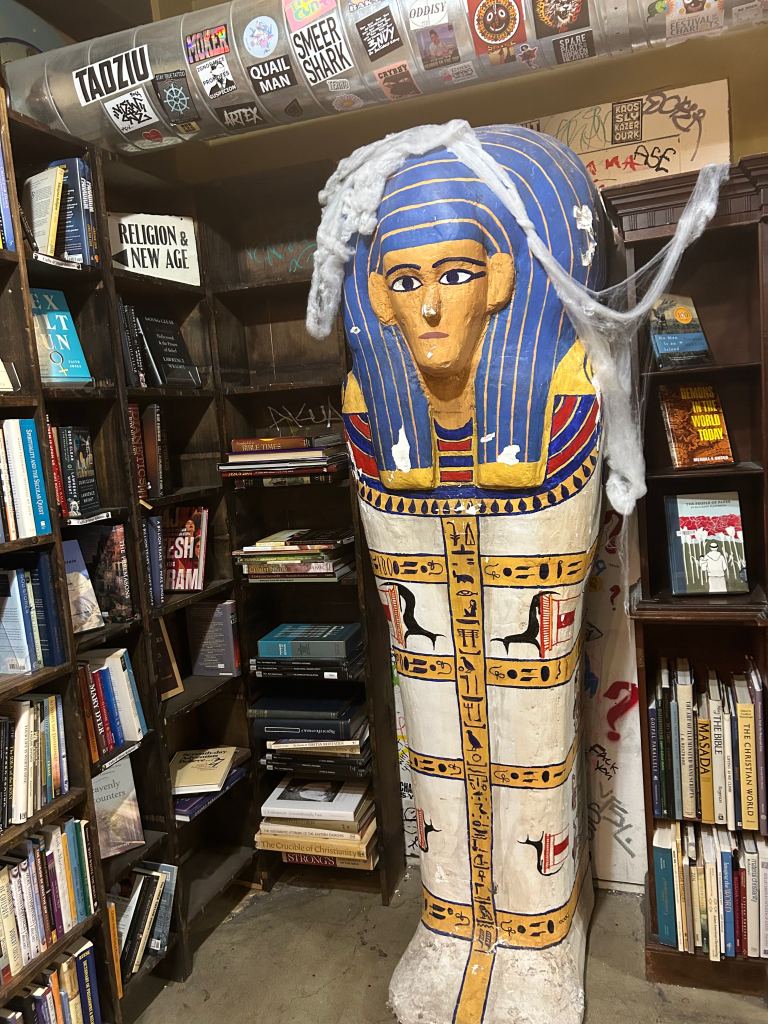
The Last Bookstore hides in downtown as a bastion for the literary and visual arts.  Also, the store stands as one of the only with multiple floors. It immediately evokes an industrial factory turned museum when one walks in.

The industrial space leads to interesting and aesthetic reading areas, filled with tourists. The gallery has local artists of all kinds and especially photographers. 

“I’ve never displayed any of my work there but looking through the gallery has always made me want to,” said Eva Lindholm, a local photographer with work throughout the city.  “I have shopped there for vintage cameras and film,” she said, referring to the artisan shops which surrond the second floor of the store where the gallery lays. 

Skylight Books

As one walks into Skylight Books in Los Feliz they feel a different atmosphere.  The tree in the middle of the store makes it feel very welcoming.  Recent sunny weather in the city has led many patrons to come hang out in the bookstore with the bookstore cat.  Israelian talked about her routine when going to Skylight: “I like to stroll the aisles after a Martini at Figaro (a restaurant next door).”
Small World Books

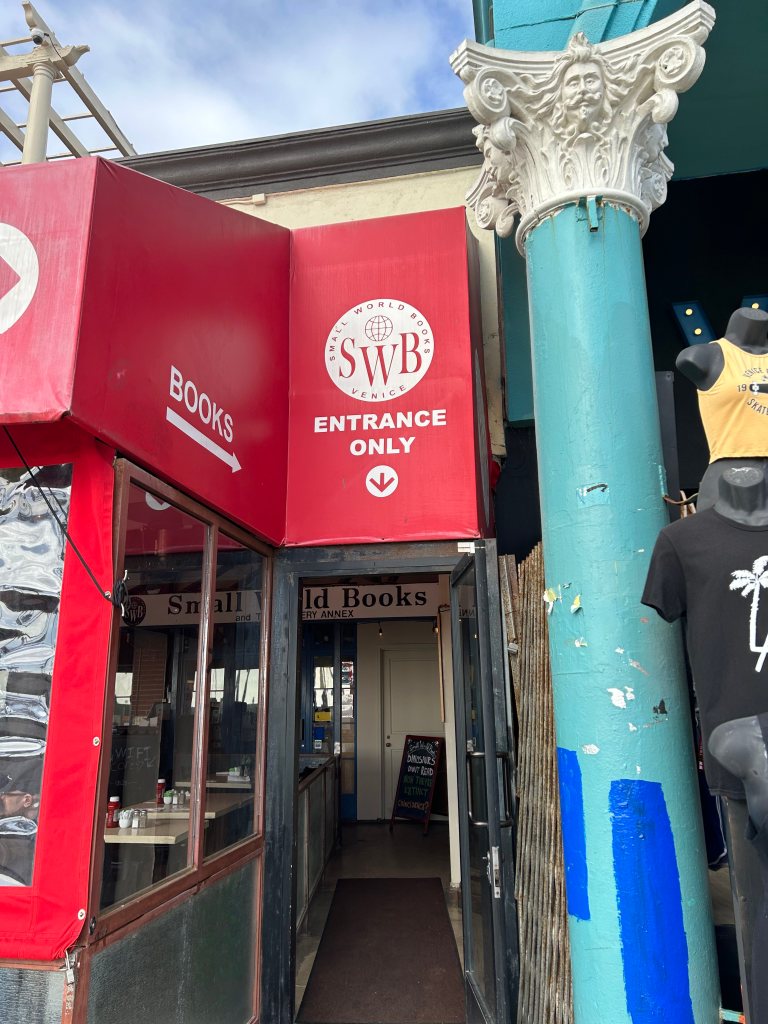
Small World Book stands as a gem in the beaches of Venice.  Next to a bar, the store frequently gets runoff noise and drunk patrons.  Once one steps into the store everything changes. Not only do the books sold reflect the increasingly diverse population of the city but they tell a story about growing inequalities in the world. 

Geographically, as one moves closer and closer to the ocean a shift towards narrative happens.  Starting at a memoir in downtown, the pendulum swings across staff picks with Small World’s Nickel Boys

Going inland towards Skylight one sees a trend towards the theoretical like Bell Hooks.  Hooks and Whitehead, the author of The Nickel Boys, share many similarities between how they view the Black experience in America. 

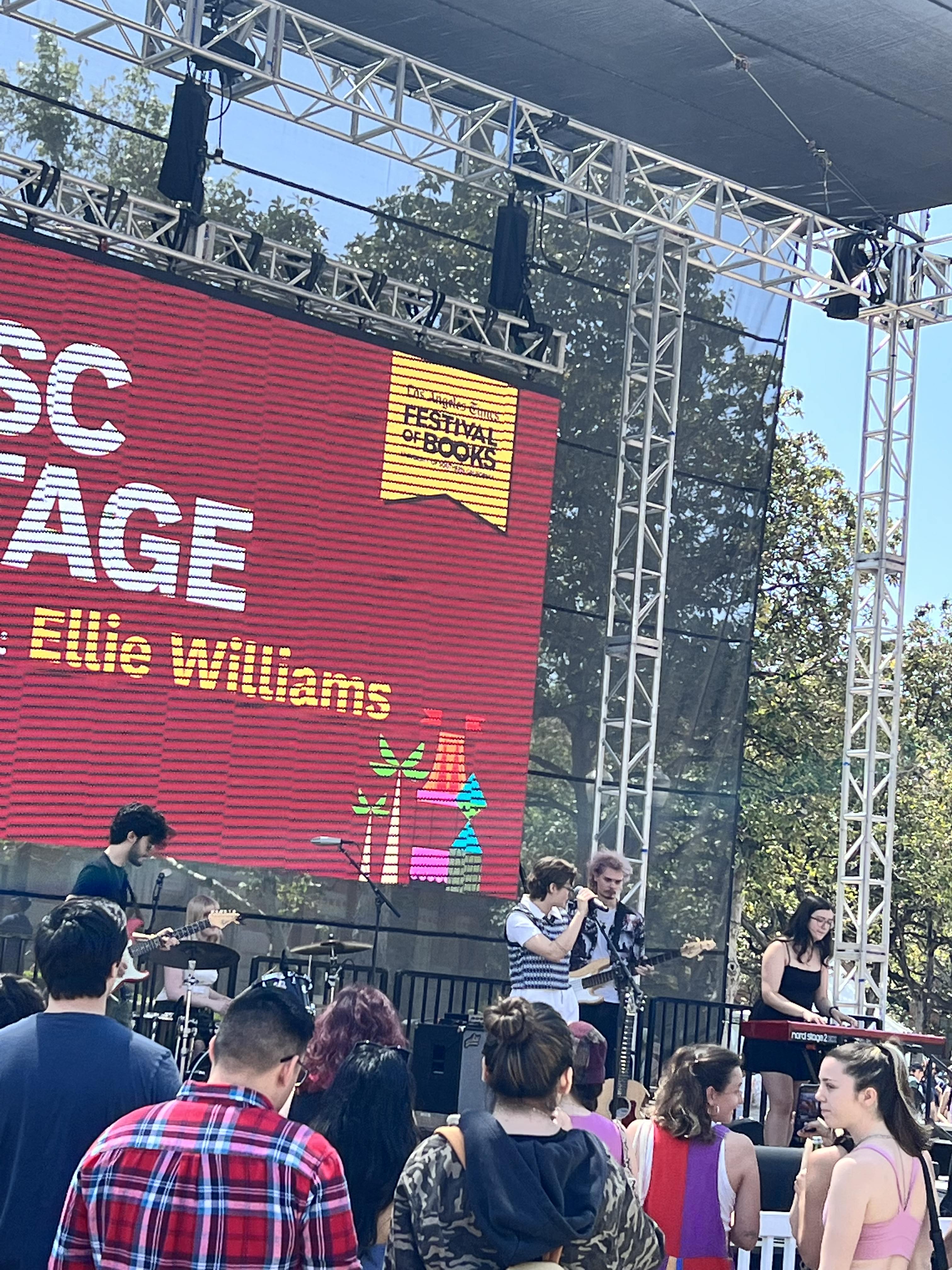
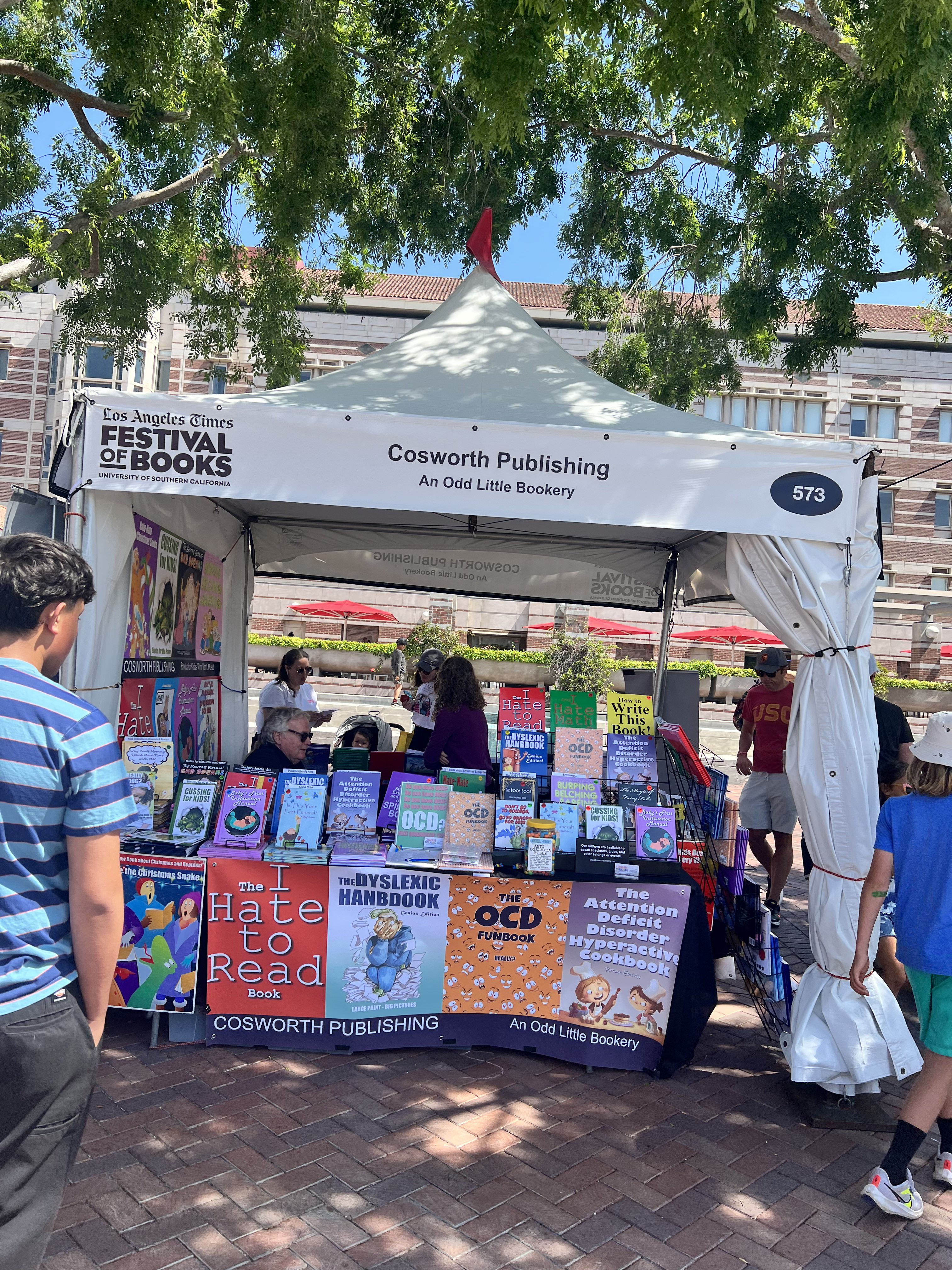
Every year, the Los Angeles Times Festival of Book serves as a brilliant way to start the summer season. Authors from across the globe flock to the USC campus in order to show new work and say “hello” to old friends. Among the stores represented, both Skylight Books and The Last Bookstore had booths advertising books like All About Love. “I saw a rare copy of All About Love and had to purchase. They had all types of goodies in the Skylight tent,” said Israelian. The festival, spanning two days, had great vibes, food, performances, and even better times.

A common denominator of the indie bookstore crowd involves their age.  Many of the people living in the surrounding communities come from the mid-twenties age range.  Similarly, those who most like reading often come from an intellectual background like Israelian.  Another way of dissecting the literary taste of a certain area involves looking at the gender dynamics of the bookstore communities which typically skew heavily to the male side.

Assuredly, a factor such as gender has an impact on the books on the shelf which bookstores sell. Language also serves a major barrier. Xie told me he prefers other bookstores in Los Angeles because he reads better in Chinese: “Many times the bookstores don’t even have a Chinese section.  But if I can find a popular book in Chinese, I will read for hours… days.” 

While the workers and owners of the store make up a significant part of the store, those who read in Los Angeles may play an even bigger role. The bookstore culture continues to thrive with the ever growing amount of reading across genre.
Featured

“Hi, I’m Agit Pai”

https://vimeo.com/414109081

Like all overly politicized issues in today’s hot take economy, I had heard about net neutrality from a series of memes in 2017.  Thus, I had preconceived notions.  Slowing down the internet service of some just to put more money in the pockets of Verizon felt outrageous.

In all seriousness, I did not pay much attention to the issue of net neutrality after 2017.  I knew that as part of its vast deregulation of everything, the Trump administration had repealed it in 2019.  People on the left scream about the issue, and while I acknowledge its importance one can definitely go either way. 

I acknowledge that the people who provide internet service itself, ISPs like Verizon and AT&T, need investments in their infrastructure in order to grow and provide service to more people.  However, issues of morality and safety underlie moves to deregulate the internet.  With the power to persuade people’s watching or viewing habits could internet providers act responsibly?

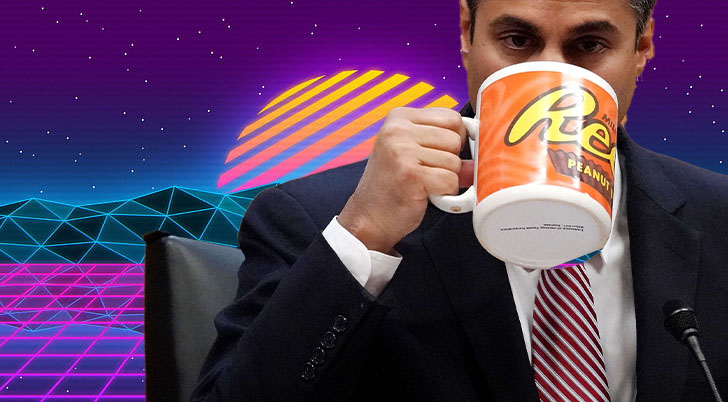
I got curious about the issue once again and remembering a silly John Oliver report from 2018, I started to look at the issue from the standpoint of Agit Pai.  The chairman of the FCC, Pai deployed maybe one of the weirdest public relations tactics in modern governmental history in relate himself to a younger audience.  Beyond all of the shenanigans, advocates for a freer internet saw a wolf in sheep’s clothing. 

Based on preconceived notions, I wanted to stand for advocates of the internet.  While one can look at net neutrality from a variety of perspectives, I had to keep in mind that any policy affecting underprivileged or vulnerable communities should not stand in a land of liberty and justice for all (under new net neutrality rules ISPs could provide tiered classes of services).  Using the power of Premier Pro, I wanted to advocate against the greed of ISPs.

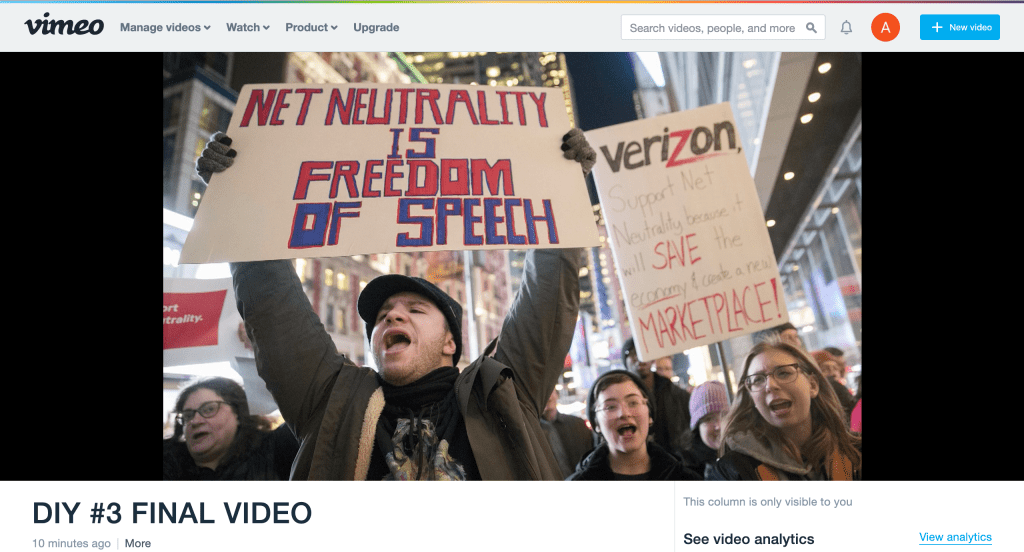
I found the project itself a little difficult.  Gleaning government footage from the C-SPAN archive and other places required me to screen capture.  Thankfully, I could download Agit Pai’s interesting PSAs from Youtube.  Many websites advocate for net neutrality and will happily give information on how to support the cause.  One of the last shots in my projects shows protesters holding signs advocating a “free and open internet”. 

I do not blame Mr. Pai because he simply served as a figure head.  However, I wanted to get my point across about the ridiculous nature of some anti net neutrality voices.  In fact, much of what Mr. Pai had to say in many of the interviews made sense.  However, he so brazenly tried to put himself where he did not belong.  His bizarre behavior made some laugh but unnerved serious net neutrality advocates.  Armed with the power of the internet these advocates attacked.  However, Trump’s FCC won, and net neutrality fell by the wayside. 

Thanks for watching and see media used at the bottom of this post!

Media I used for the PSA:

Agit Pai PSA: https://www.youtube.com/watch?v=LFhT6H6pRWg

Agit Pai on PBS Newshour: https://www.youtube.com/watch?v=6Q5_oV4JB10

With infamous mug: https://www.chron.com/national/article/net-neutrality-repeal-Ajit-Pai-FCC-reeses-coffee-12431725.php

Agit Pai Recent Speech: https://www.youtube.com/watch?v=Lf2D-sGhocI&feature=emb_title

Tay Zonday on Net Neutrality: https://www.youtube.com/watch?v=bfJaio9pj2s

Featured

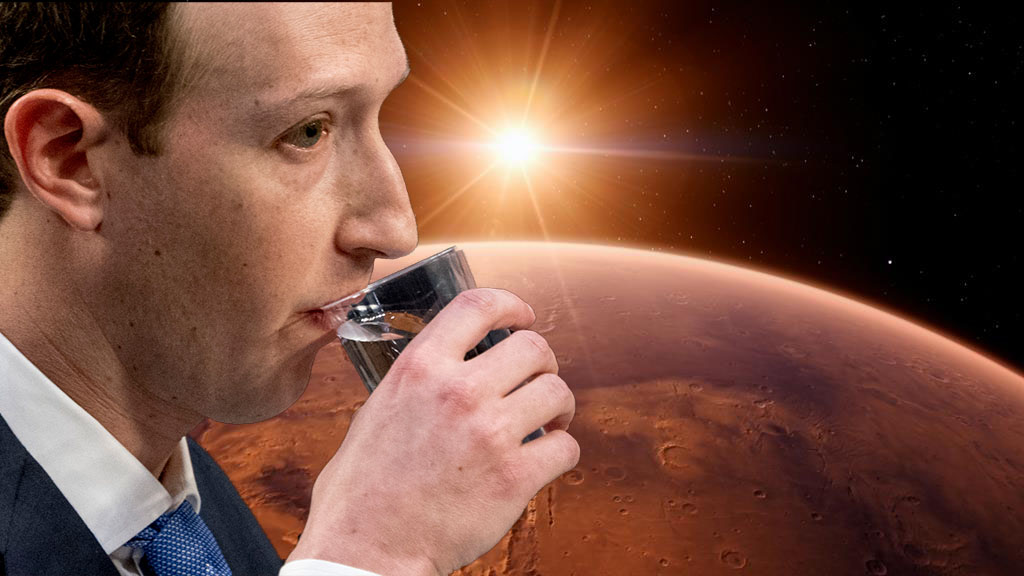
Why Facebook Really Wants All Of Your Data

The odyssey of finding my data started Monday when I sent requests to both Facebook and Google to dig it up.  Surprise, surprise the big bad tech giants did not want to enlighten me with how they target me with ads (mainly about anti-dandruff shampoo and libertarian political coalitions). Nevertheless, I believe in the power of big data—so much so that I have followed the story of tech companies’ censorship of user posts an.  Decisions about Facebook’s privacy policies matter now more than ever given we find ourselves in the advent of the 2020 who gets to be either mercilessly ridiculed or praised like a god on Fox News for the next four years contest. 

During our lab sections, I found parts of the Netflix documentary The Great Hack fairly enlightening.  Even beyond the context of politics, I think have realized that data has become a sort of currency—a hyper inflated one which not a lot of people know about.  Like any new kind of currency, though, people much smarter than you and I need to figure out to how to wrangle with it and regulate it. 

Companies such as Facebook and Google require advertising dollars as part of their revenue.  In 2014, according to Investopedia, Google for example, made 68% of their revenue from advertising on search (one can only assume that number has soared).  Facebook, where the user cannot easily avoid ads and other promotions with browser software, hauled in 24% of its revenue from ads. 

Although Facebook and Google have way too much information on me, I wonder if targeted ads really work.  Of course, Facebook gives absurd access to advertisers, have not these same advertisers have targeted us all along.  After all, one would not put an ad for a luxury fashion brand in the middle of a lower-class neighborhood.  Advertisers have always thought in terms of demographics.

Alas, I have come to the part of the blog where I ultimately question my assumptions about the topic at hand while acknowledging that the thinking traps I fell into were understandable.  In this case, I must admit that my original musings still have merit.  Being my anti-social media self, I perceived data as an ultimately meaningless but scary facet of modern technology.  As an informed citizen one must keep in mind the capacity for malformation on Facebook.

We have a responsibility about how much data we give these companies because we chose to participate in social media.  Although Zuckerberg acts righteous and academic (shout out Georgetown), the informed viewer knows about the lobbies pushing Facebook to keep its information market unregulated.  However, like another unregulated market over a decade ago, it will crash and burn.

Featured

My Media Consumption as a Quaranteen

As a byproduct of the coronavirus, there have been so many quality posts that I have either heard about or seen myself.  For example, I wanted to write about Cardi B’s Instagram Live rant where she accurately summed up the lack of testing in this country by repeatedly saying something like ‘how do I know if I have [COVID-19]?’.  At this point the coronavirus has touched all of our lives as well as popular culture.  Thus, I find these posts from the unlikeliest of sources not only edifying but inescapable. 

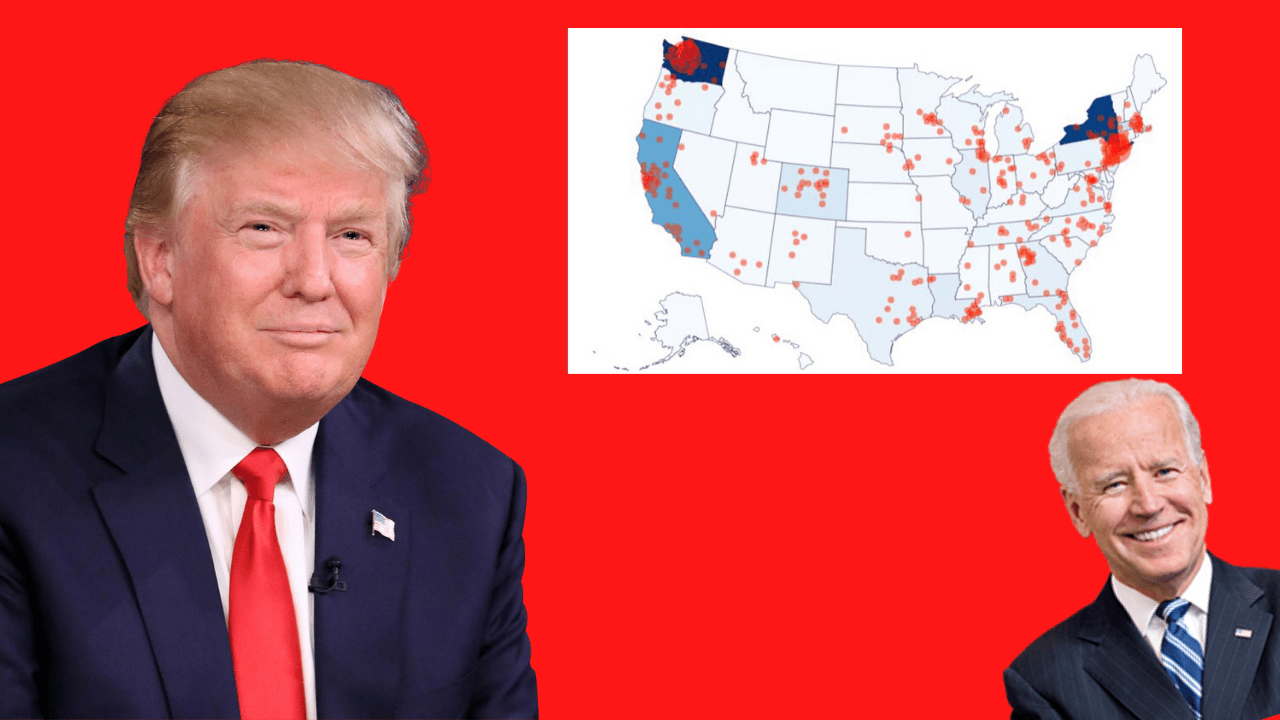
Nevertheless, I want to take on something a bit more serious involving a graphic posted by the New York Times and printed in the Thursday edition a week ago.  The Times posted several maps tracking the Coronavirus, but I found that their heat maps—I don’t know how else to describe them—of the U.S outbreak did a better job of explaining the crisis than a lot of other outlets.  Also, our unit on data journalism, I thought how relevant that genre has become in terms of giving information to the American public during this once-in-a-lifetime crisis. 

Such maps tracking this outbreak do as well as any story to really show the nation-wide impact that corona virus has had on the country.  As importantly, looking at the Time’s corona map also reminds one of the upcoming presidential elections.  The way people have shaped the narrative of this crisis has had a profound impact in our politics.  Tracking the crisis through the eyes of, say, Joe Biden leaves many unanswered questions (wink, wink).

A crisis of this scale has served as an opportunity for Donald Trump to act as a strong leader simply by leading.  Some approval ratings have shown increased popularity of Mr. Trump during this time, but no matter what side one falls on they have to admit that he has not done everything right.  I reflect on yesterday’s news that he announced a continuation of social-distancing measures and the like until April 30th after saying how quickly he wanted to reopen America.

To recap, Trump’s continuation of social-distancing and self-quarantine policies of course follows his usual bold bravado.  However, everyone knows the charade by now.  Seldom have voters had more to voice their opinion on so close to an election. 

Some stay away from the news these days citing “mental health” issues, but I have had none such in my experience consuming media during the quarantine.  While I see why people can say such things during the current moment, I have found it hard to stomach news for other reasons completely.  As a journalist I get over eager.  Everything has happened so fast and honestly reporters more than anyone know that humanity has reached a new normal.  Social distancing, no more pay walls, you name it, we live in uncharted times.  

Featured

USC Football and Stuff (DIY #2)

Recruiting stats: https://247sports.com/college/usc/Season/2020-Football/Commits/
Odds shark: https://www.oddsshark.com/ncaaf/usc-alabama-odds-september-5-2020-1237158

Dogs—

USC Football booster Brian Kennedy on the state of the program

We love the media because if we can feel involved in a story then we can better understand it.  When we understand things we feel educated and responsible.  However, one must realize that the media and the real world exist on two completely different planes. 

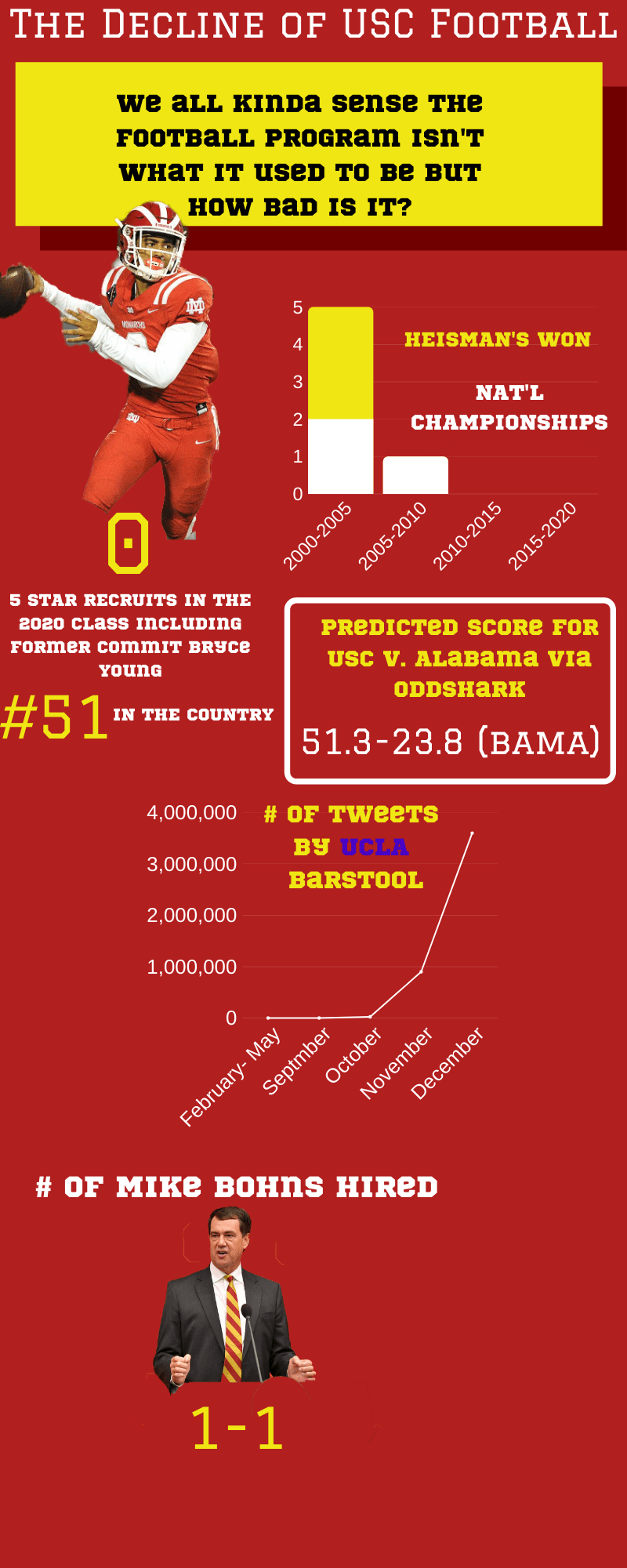
I thought of the above things while making my infographic because so much of the buzz around USC football last season (I won’t use the words misinformation or fake news) came from a few sources.  LA Times and other websites built a whole narrative around the football program due to the team’s struggles in the season.  A narrative that does not really get at what you would see if you walked around USC spring football practice in the few days before school got shut down. 

Traditional media—not even social media—built a narrative that the football program had failed.  By making my DIY about the team, I simply wanted to present this narrative in and of itself.  Once again, I think many of the statistics in it should make people in heritage hall scratch their heads, but I do not consider myself totally detached from reality (at least not yet). 

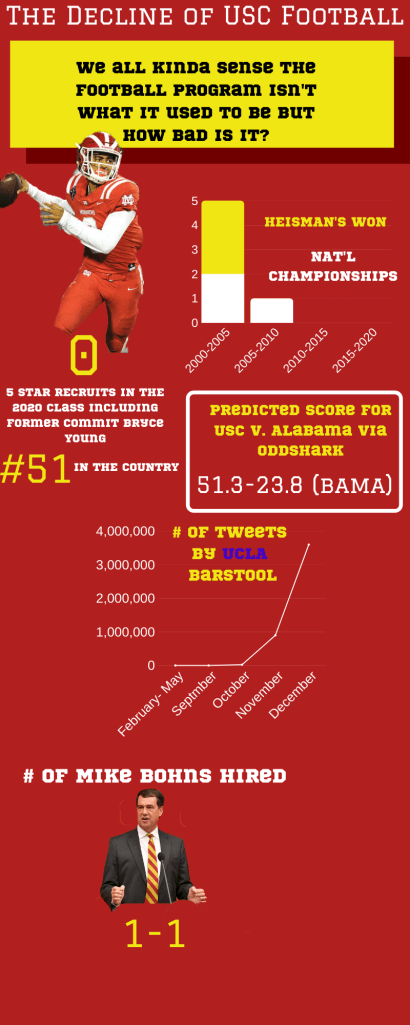
I culled data from a variety of sources to produce my infographic.  I feel like good infographics mix numbers with graphs, so I tried to do that as much as possible.  Formatting wise, I chose the color scheme just because it made the most sense for the argument I wanted to make.  I really liked using Canva for this assignment because I could move everything around very easily. 

My infographic does feel like a joke but a lot of the statistics in it tell a very real story (aside from the graph on the bottom).  In order to restore a sense of pride in the program, USC should work to recruit more heralded talent out of high school.  Also, the second graph shows a clear decline exists in the achievements the team has made in the last 20 years.  With Clay Helton’s contract slowly winding down, I think things will change. 

Coming into this season, USC has hired several new coaches including a new defensive coordinator.  The Trojans open up the season against Alabama in Texas.  I still do not know if/ how I will get there.  Depending on the outcome of his season, a lot of things my infographic shows could have a different stigma surrounding them.  For example, if Clay Helton has a good season at the helm then I guess no more Mike Bohn memes (I know, bittersweet). 

The only thing I regret about the infographic involves the fact that I reverted to including a graph purely for comedic purposes.  The news machine surrounding college football has not really started up yet because well… However, once it does a chart like this could look different. 

Featured

My Media Consumption Habits

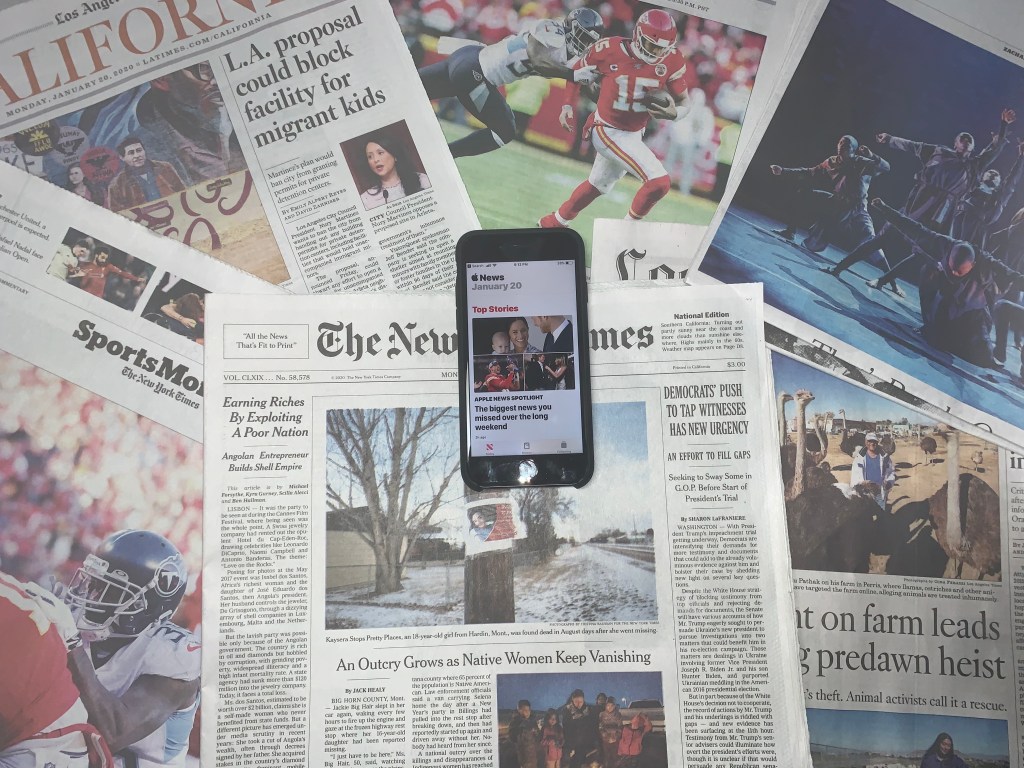
Before that writer for the New York Times got his news from print sources for 2 months there was me.  I have gotten my news from print sources such as newspapers for as long as I can remember.  I rarely look at news online—if I do, it involves finding out more about a specific story.  Looking at print news has a lot of benefits, but since I have never explored online news I guess I do not know what I miss. 

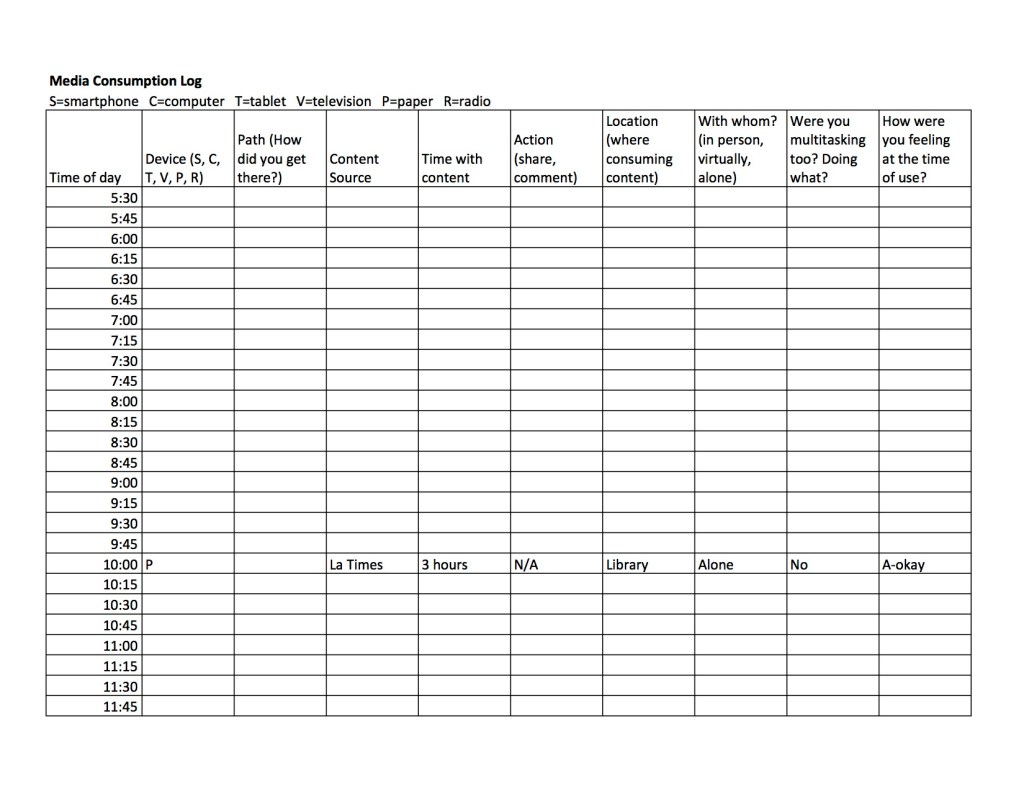
            Among the myriad benefits of reading print news includes the greater clarity it gives to the world.  In a newspaper, everything flows from super important national stories to smaller stories that impact our lives less.  As my log shows, I like to read the L.A Times, Wall Street Journal, and the New York Times a lot.  I try to read as broadly as possible about sports, politics, and arts.

One of my fears—one could say—about online news involves not reading widely about big national stories and instead getting sucked into opinion rabbit holes about very specific things.  In other words, why strive for knowledge in just one topic when you can know about everything?  Reading newspapers encourages one to read about everything.

Although print news and online news differs in the scope of events they cover, both present the challenge that one could keep hearing the same feedback over and over again.  For example, no matter if one consistently reads the print edition of the Wall Street Journal or they scroll through CNN.com every day, they will still probably only see one side of the story.  Even if one does not even read the editorials, they still could likely find themselves gathering the same facts over and over again to produce the same story.  Perhaps human error plays a part in this knowledge gap because journalists have inherent biases too.

From what others say about social media and online news gathering, I imagine the echo-chambers effect becomes exacerbated.  Reading the same thing over and over from a professional journalist is one thing but scrolling through the same partisan takes by people close to you can has a more powerful, negative effect.  With the power of always having a voice on social media comes great responsibility.

Part of my media consumption sheet: as you can see it does not have much

To conclude, I believe looking at print has its advantages and looking at digital news has its advantages.  I prefer to look mostly at print simply because I want to make sure I read widely and do not get sucked down a rabbit hole of one specific topic I like.  As a citizen of the United States, I like to keep informed politically.  I also like to read about sports.  By reading the New York Times and L.A Times, I can also read about things like the arts which I would previously not have been exposed to.  Typing a few words into a browser and scrolling through the economy of hot takes does not count as exploring the world— while reading does. 

Featured

Introducing…me

Flexing for the cameras

My name is Aidan and welcome to my blog. I love writing about media and different ways stories are told, so I look forward to this. I originally resided in New Jersey. Here goes nothing…

If you like what I like chances are you need to get out more:

Talking heads and other people I occasionally listen to:

JOUR 207 Final

NDSC Report Reveals Discrimination in Policing

The Neighborhood Data for Social Change Institute (NDSC) released their latest data which included several important findings about policing in minority areas. Data shows that people who suffer the effects of over-policing overwhelmingly come from minority communities.

Many feel shock and renewed interest in police reform, following the report. “The data in the report surprised me,” USC Junior Dustin Hocmuth said. Many others have similarly reacted to the disproportionate rate of black people arrested by police in Los Angeles. Student have vowed to help change law enforcement practices.

After the release of the report, Gary Painter, Professor at the USC Price School and lead author of the study, did a question-and-answer session with the press. During the session, he emphasized the fact that the way people interact with police has changed. “The amount of police-initiated contact is down,” Painter said during the live session. A spokesperson for LAPD did not respond for the article. People call the police more often, but police tend to interact with people much less—according to the report.

Dr. Painter also said that the inspiration behind his ambitious project came from community partners in Los Angeles. The report takes away the emphasis in public safety from “crime and victimization and emphasizes community”, Painter commented. The report sought to fundamentally change the way people view public safety because many people had skewed perceptions.

The NDSC and USC Price School received funding from companies like Microsoft for the project. Instead of a crime and punishment perspective, Painter and his colleagues wanted to focus on the idea of community (a hot topic in many circles). Corporations took an interest in Painter’s findings.

Data gathering for the report took months, but the findings will serve generations of Angelinos especially in South Central. “The public can continue to advocate that public safety means something much broader than victimization and arrests,” said Dr. Gary Painter.

In a different session, Painter commented on how the public should react: “the public can use these findings to pressure law enforcement to reform their current practices.” Not just in Los Angeles but everywhere—people can use the findings from the report to help policing efforts.

The NDSC has long used data to influence public policy. The data-driven effort to understand public safety and law enforcement will continue at the USC Price School under Dr.

Painter’s leadership. Data journalists also have a particularly important role to play in sorting through much of the information from institutions like the NDSC. Dr. Painter emphasized the joys of working with the community. “The real fun part of this project came from working with our community partners,” Painter said. It was not immediately clear when the NDSC would release more data.

Putin has status upgraded to VIP at Trump’s State of the Union

Teehee

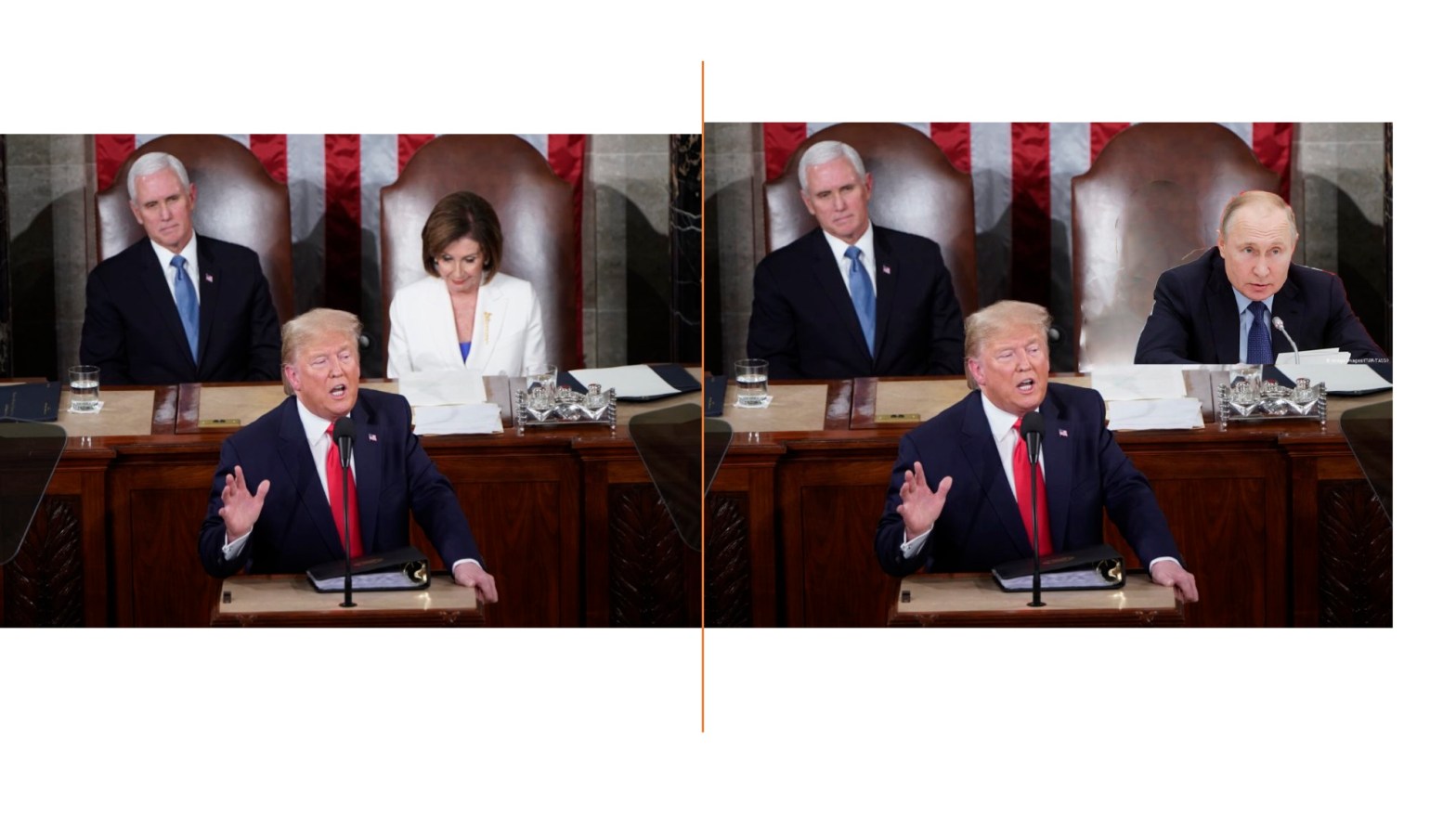
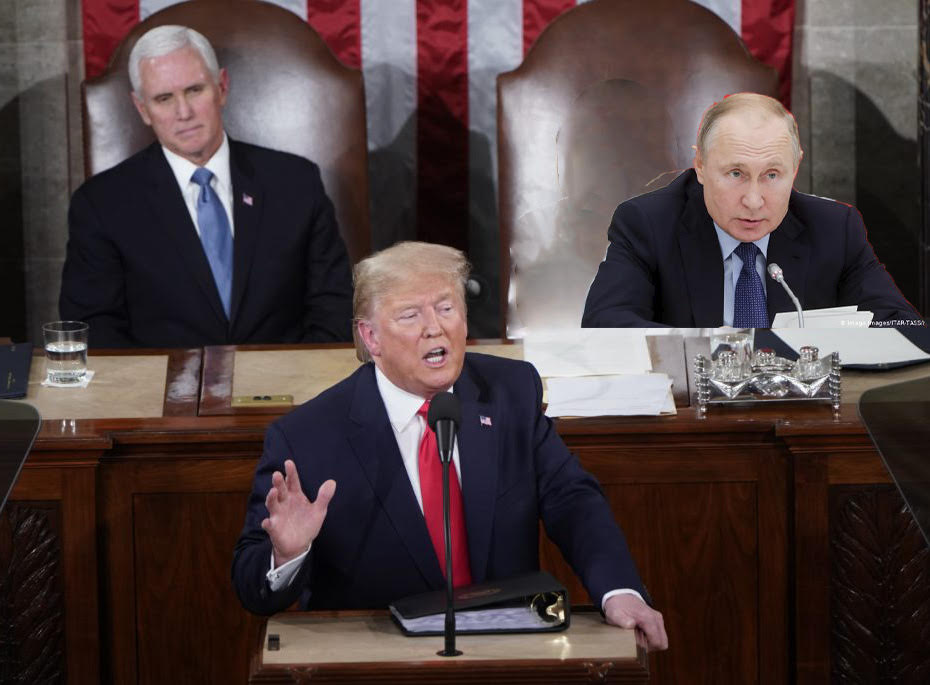
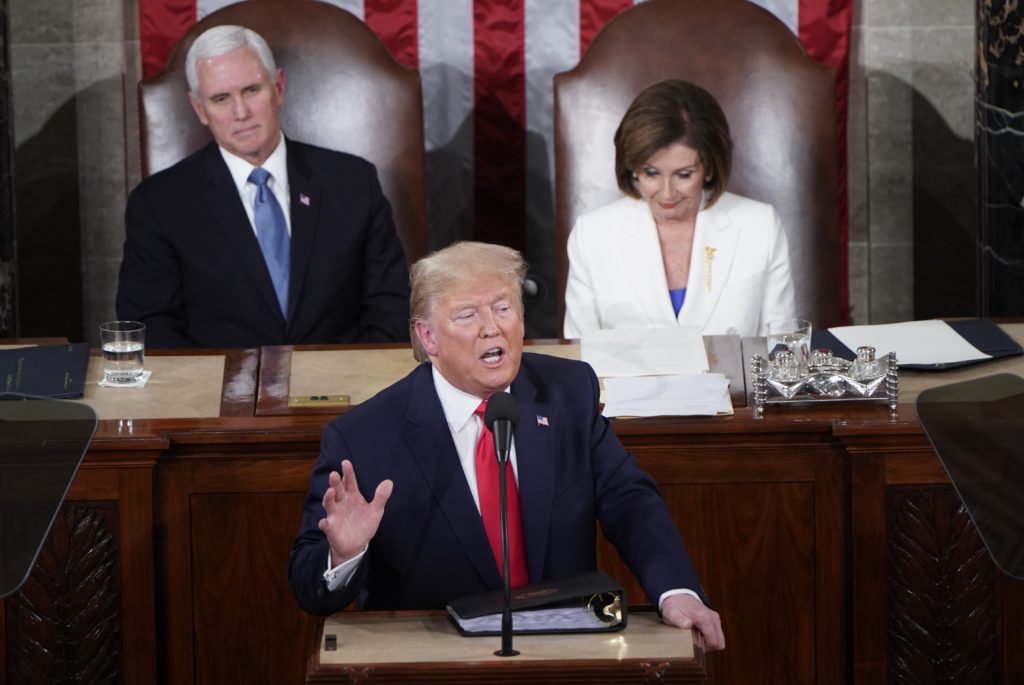
For my remix, I chose to make a comment on the way President Trump runs our country, and I modified a widely published image from Trump’s state of the union address a few weeks ago.  Trump’s state of the union speech this year carried heavy significance not only because he delivered it on the eve of the final vote in his impeachment trial but also because he sought to demonstrate to Americans—a majority of whom do not approve of the job he has done—the progress his administration has made.  The image I chose (from PBS NewsHour) as well as other images of Trump’s speech dominated every front page of the major newspapers and news websites the next morning. 

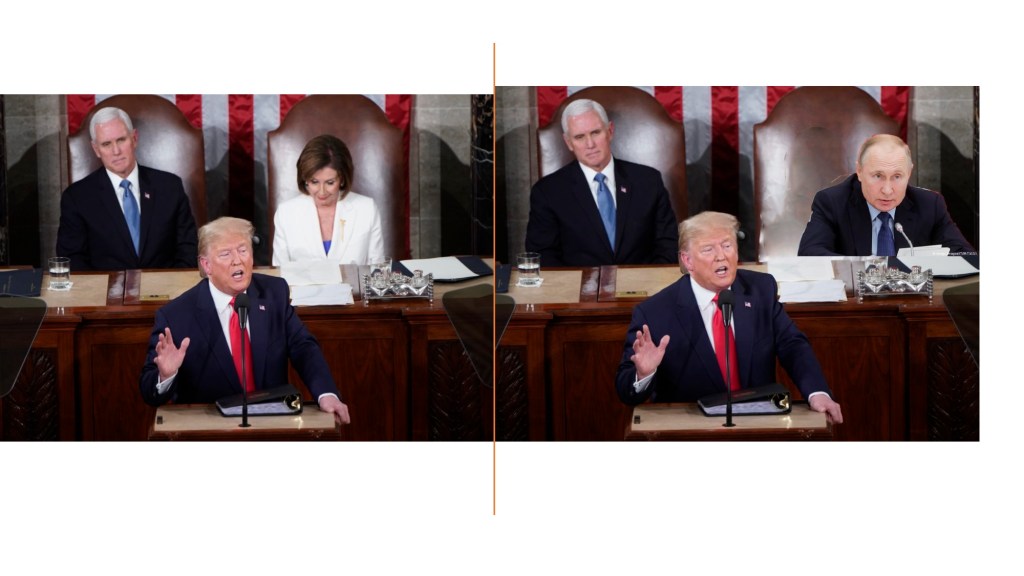
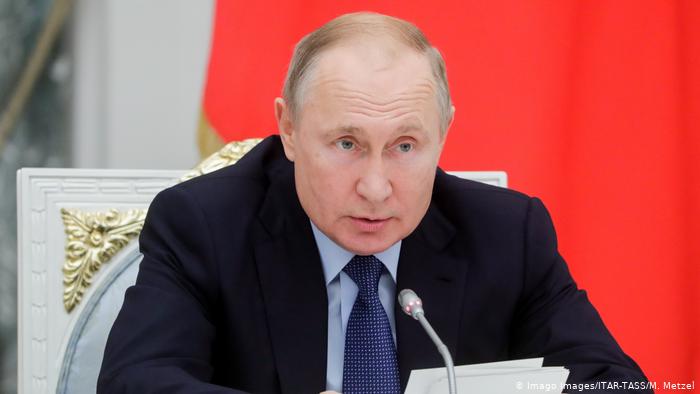
In my Photoshop remake, I replaced Speaker Nancy Pelosi who sits next to VP Mike Pence during these speeches with President Putin of Russia.  By carefully selecting an image of Putin and using various features of Photoshop, I wanted it to look as realistic as possible.  Using the tutorials on the Annenberg digital lounge website, I found the process of putting Putin into the image quite easy. 

Although, some would classify my image as simply partisan banter, I would like to think it actually makes a legitimate argument.  By depicting Putin in that specific seat, I get at the nature of how Trump really has no interest in bipartisanship.  The man has run this country like a supreme leader.  Especially in the instance depicted where he tried to appeal to voters ahead of November, it became increasingly clear that Trump has and will continue to sell our democracy to the highest bidder.  Replace Putin with whichever autocratic third world leader you like and the message stays same: integrity matters. 

One more time in case you missed it with individual images below. Enjoy the glorious Trump satire
via PBS NewsHour: https://www.pbs.org/newshour/politics/read-the-full-text-of-trumps-2020-state-of-the-union
via DW: https://www.dw.com/en/putin-proposes-to-replace-wikipedia-with-reliable-russian-version/a-51127214

New York Times Fake News?

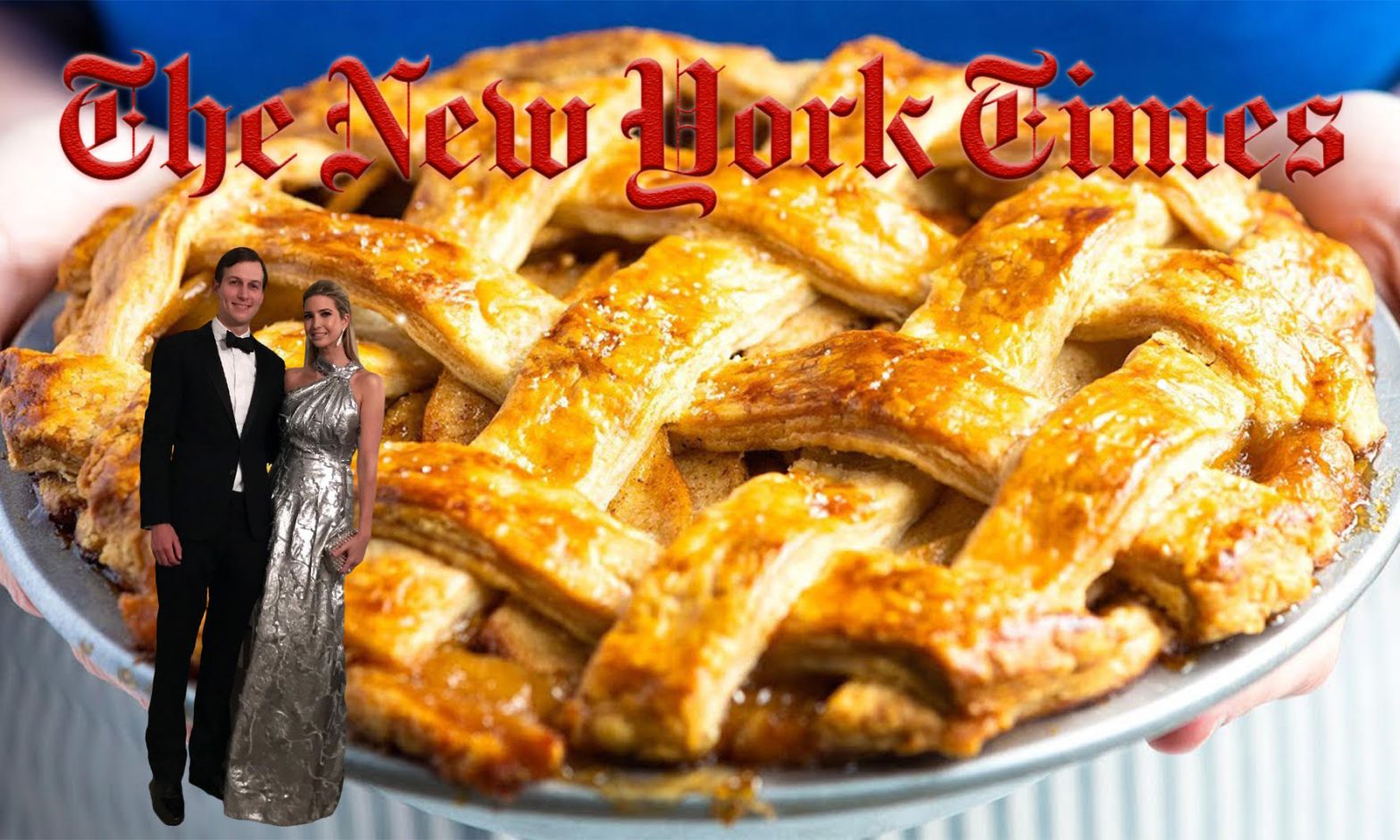
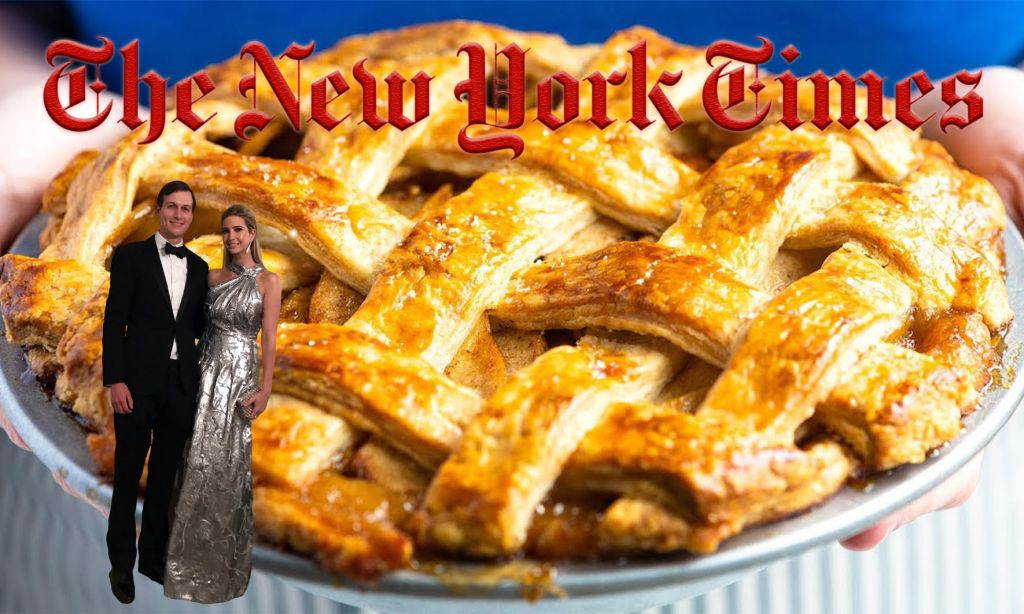
I wanted to title this article ‘Javanka Smells Pie’… Ah, sometimes I think I need to switch majors

I chose to read the article  from 2018 about Ivanka Trump and Jared Kushner’s evolving relationship with President Trump.  As a print institution—as well as a website—the NYT has achieved the amazing feat of  remaining prominent in American culture while newspapers have had less influence.  At first, I found the article credible but then thought it missed something.  Now, I wonder if my reaction to this article had anything to do with possible political biases or flaws in reporting.   

The Editorial department of the NYT leans left.  The most ardent republican supporters vilify the NYT for such a left of center political bent in its editorial content, calling it partisan reporting (other outlets like CNN also take such scrutiny from the right, and often much more viciously).  All political morals aside, exposed in this article lies a contradiction about the brand of the NYT: for a paper that chases truth and facts above all else, a sense of unreality pervades many of their articles. 

In talking about the unreality of the narrative, I do want to take a shot at its credibility.  I simply found myself thinking throughout ‘well, of course Ivanka Trump and Jared Kushner have not pushed back against the President’s policies as decisively as the authors suggest.’  After all, they play a subordinate role.  From the start, the article projected a vision onto Trump’s daughter and son-in law concerning the role they should play in the white house. 

While projecting such a narrative does not specifically go with facts, it does reveal some truths about the situation at-hand.  For example, this article portrays accurately that Trump became emboldened by attacks from the left.  Throughout his presidency, journalists have talked about such attempts to temper him have unfortunately had the opposite effect on his Trumpian personality and style. 

Diving into the bios of Maggie Haberman and Katie Rodgers, one can see that they both continue to cover the White House for the NYT.  Both have extremely impressive resumes.  Ms. Haberman worked at Politico before taking on her role at the New York Times and Ms. Rodger had a similarly strong political background.  Whatever biases they possess, suffice it to say both have the credentials to tell the story. 

Unrivaled in its political and arts coverage, the New York Times serves as a great general interest newspaper.  Due to the fact that it continues to attract people to general news, it should come as no surprise it attracts such top journalists like our authors here.

Nevertheless, this article in the NYT demonstrates certain narratives the press forces on situations that do not necessarily exist.  I do not think anyone ever assumed Jared Kushner and Ivanka Trump would take on such an outspoken role that authors Maggie Haberman and Katie Rodgers assumed they would.  Although this article gets at many underlying truths about Trump’s time in office, one cannot help but think something gets left out.  Perhaps inherent bias, perhaps shaky reporting, this article simply does not fall within conventional expectations. 

Subtle Flex…
Design a site like this with WordPress.com
Get started